
Industrial products increasingly carry more than basic identification marks. Logos, control symbols, decorative graphics, safety indicators, and brand elements may require two or more colours to be printed accurately on the same component.
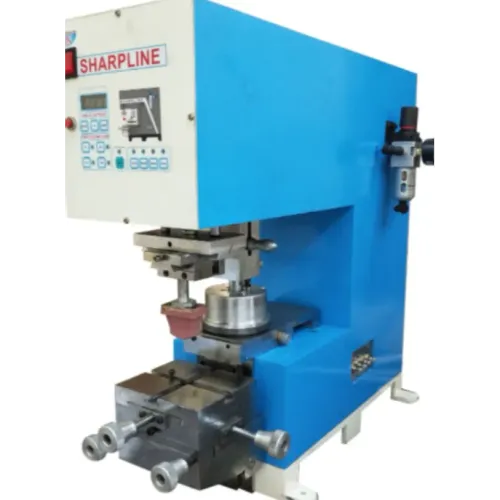
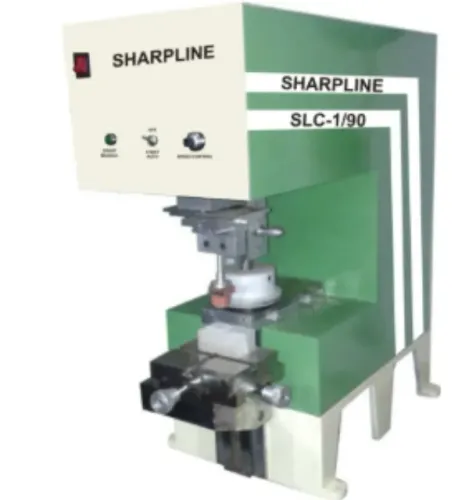
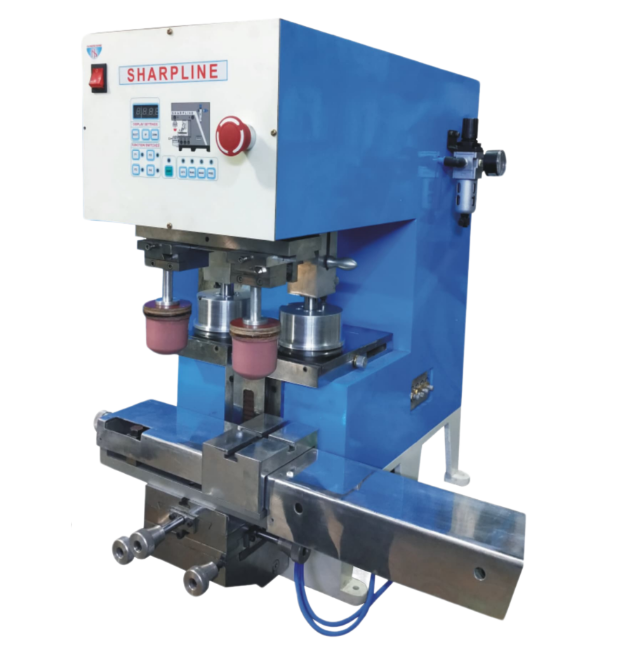
A Multi Color Pad Printing Machine is designed for applications where multiple colours need to be transferred while maintaining suitable positioning between individual images.
The technology can be particularly valuable when product appearance and repeatability are important.
Why Multicolour Printing Requires Accurate Registration
In a single-colour application, one image is transferred to the component. Multicolour printing introduces another challenge: each colour must appear in the intended position relative to the others.
Poor registration can create visible misalignment around logos, lettering, outlines, or graphic elements.
Accurate fixtures, controlled component movement, suitable cliché preparation, and machine configuration therefore become especially important.
Automotive Component Applications
Automotive interiors contain numerous printed parts.
Examples can include:
- Dashboard buttons
- Switches
- Control knobs
- Plastic trim components
- Electrical controls
- Functional symbols
Different colours may help distinguish controls or support product styling. Because many components have curved or moulded surfaces, pad printing is often considered where flat printing methods are difficult to use.
Consumer Appliances
Appliance manufacturers frequently need durable symbols and branding on moulded parts.
Control panels, switches, buttons, handles, and operating controls may carry several visual elements. Multicolour printing can support both functional identification and product aesthetics.
The appropriate process depends on the substrate, graphic dimensions, required durability, and production volume.
Promotional Products
Promotional products are another major application area because branding often involves corporate colours.
Pens, keychains, plastic accessories, gift items, and other irregularly shaped products can be difficult to decorate using conventional printing methods.
Pad printing can transfer relatively detailed artwork onto many such shapes, while a multicolour configuration can reproduce more complex brand graphics.
Electronics and Electrical Products
Electronic products frequently contain small components where precise printing is required.
Switch housings, connectors, chargers, controls, casings, and other components may need logos, symbols, identification marks, or operating instructions.
When several colours are required, manufacturers should carefully evaluate registration tolerances and fixture accuracy.
Plastic Moulded Components
Injection moulding businesses serving different industries may need a flexible printing process because product designs can change frequently.
A multicolour pad printing setup can be considered for products requiring decorative or functional graphics after moulding.
However, the exact plastic material should always be identified. Surface characteristics can influence ink adhesion, and some substrates may require treatment before printing.
Choosing the Number of Colours
More colours do not automatically mean a better machine for every application.
Manufacturers should determine the actual artwork requirement first. If most products require only one or two colours, a more complex configuration may not always be justified. Businesses handling varied branded products may benefit from additional flexibility.
Production teams in New Delhi and the wider Delhi manufacturing market should therefore evaluate artwork complexity, job frequency, colour registration, changeover requirements, and expected output before selecting equipment.
SHARPLINE ENGINEERS supplies pad printing solutions for industrial applications, including configurations intended for multicolour requirements.
Ultimately, successful multicolour pad printing depends on the interaction between the machine, clichés, silicone pads, inks, fixtures, and operator controls. Evaluating real components and actual artwork before finalising the system helps manufacturers select a configuration that supports both visual quality and practical production needs.
Where Multi Color Pad Printing Machines Are Used in Manufacturing
Industrial products increasingly carry more than basic identification marks. Logos, control symbols, decorative graphics, safety indicators, and brand elements may require two or more colours to be printed accurately on the same component.
A Multi Color Pad Printing Machine is designed for applications where multiple colours need to be transferred while maintaining suitable positioning between individual images.
The technology can be particularly valuable when product appearance and repeatability are important.
Why Multicolour Printing Requires Accurate Registration
In a single-colour application, one image is transferred to the component. Multicolour printing introduces another challenge: each colour must appear in the intended position relative to the others.
Poor registration can create visible misalignment around logos, lettering, outlines, or graphic elements.
Accurate fixtures, controlled component movement, suitable cliché preparation, and machine configuration therefore become especially important.
Automotive Component Applications
Automotive interiors contain numerous printed parts.
Examples can include:
- Dashboard buttons
- Switches
- Control knobs
- Plastic trim components
- Electrical controls
- Functional symbols
Different colours may help distinguish controls or support product styling. Because many components have curved or moulded surfaces, pad printing is often considered where flat printing methods are difficult to use.
Consumer Appliances
Appliance manufacturers frequently need durable symbols and branding on moulded parts.
Control panels, switches, buttons, handles, and operating controls may carry several visual elements. Multicolour printing can support both functional identification and product aesthetics.
The appropriate process depends on the substrate, graphic dimensions, required durability, and production volume.
Promotional Products
Promotional products are another major application area because branding often involves corporate colours.
Pens, keychains, plastic accessories, gift items, and other irregularly shaped products can be difficult to decorate using conventional printing methods.
Pad printing can transfer relatively detailed artwork onto many such shapes, while a multicolour configuration can reproduce more complex brand graphics.
Electronics and Electrical Products
Electronic products frequently contain small components where precise printing is required.
Switch housings, connectors, chargers, controls, casings, and other components may need logos, symbols, identification marks, or operating instructions.
When several colours are required, manufacturers should carefully evaluate registration tolerances and fixture accuracy.
Plastic Moulded Components
Injection moulding businesses serving different industries may need a flexible printing process because product designs can change frequently.
A multicolour pad printing setup can be considered for products requiring decorative or functional graphics after moulding.
However, the exact plastic material should always be identified. Surface characteristics can influence ink adhesion, and some substrates may require treatment before printing.
Choosing the Number of Colours
More colours do not automatically mean a better machine for every application.
Manufacturers should determine the actual artwork requirement first. If most products require only one or two colours, a more complex configuration may not always be justified. Businesses handling varied branded products may benefit from additional flexibility.
Production teams in New Delhi and the wider Delhi manufacturing market should therefore evaluate artwork complexity, job frequency, colour registration, changeover requirements, and expected output before selecting equipment.
SHARPLINE ENGINEERS supplies pad printing solutions for industrial applications, including configurations intended for multicolour requirements.
Ultimately, successful multicolour pad printing depends on the interaction between the machine, clichés, silicone pads, inks, fixtures, and operator controls. Evaluating real components and actual artwork before finalising the system helps manufacturers select a configuration that supports both visual quality and practical production needs.