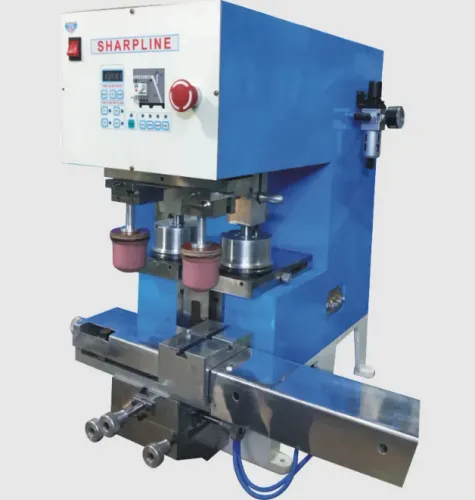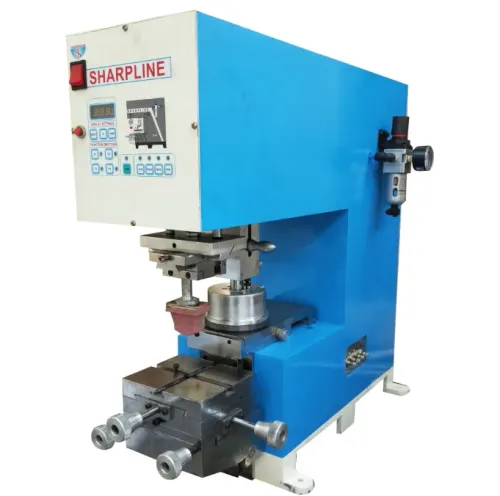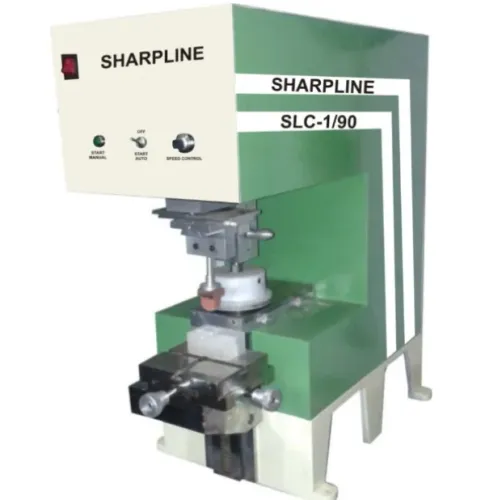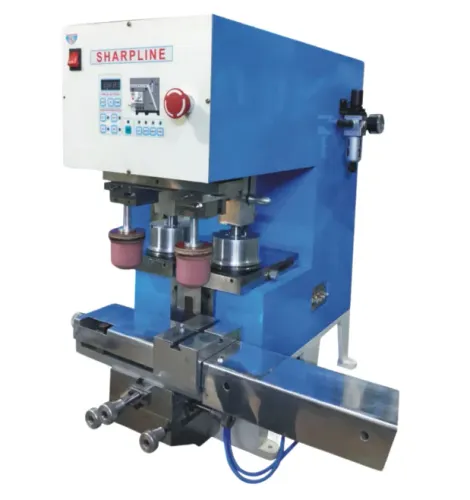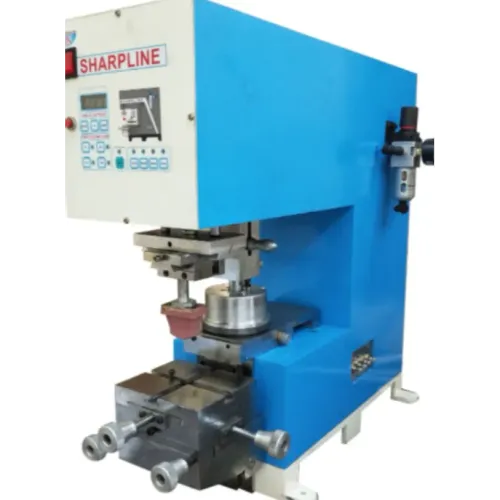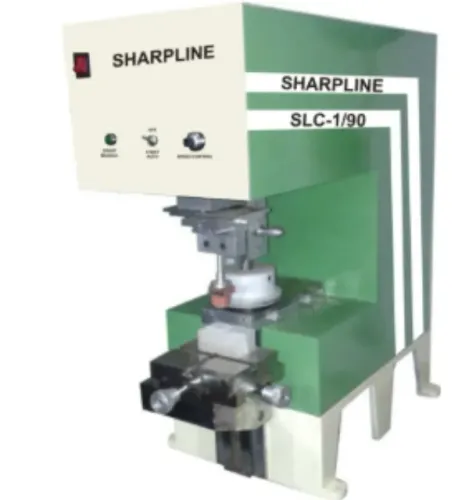
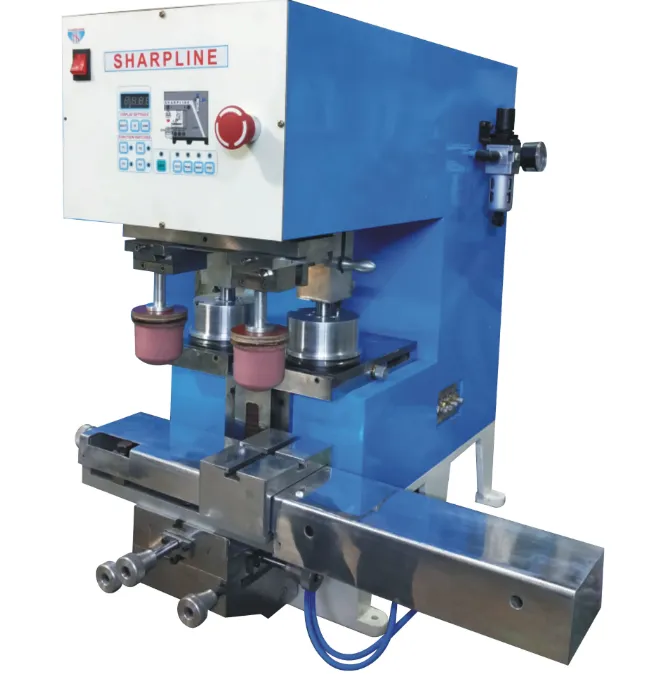
Ink management plays an important role in pad printing quality. During production, changes in ink condition can affect transfer behaviour, image definition, and consistency. This is one reason manufacturers often evaluate a Closed Ink Cup Pad Printing Machine when selecting equipment for repetitive industrial printing.
The closed ink cup system differs from traditional open ink arrangements primarily in how the ink is contained and how excess ink is removed from the cliché.
What Is a Closed Ink Cup System?
In this configuration, ink is held inside an inverted cup positioned against the cliché.
As the cup moves across the plate, it supplies ink to the etched image while its doctoring edge removes excess ink from the surrounding surface.
Because most of the ink remains enclosed inside the cup, exposure to the surrounding environment is reduced compared with an open ink system.
Why Ink Exposure Matters
Printing ink contains components that can change through evaporation during production.
When ink remains exposed for extended periods, its working characteristics may gradually change. Operators may then need to monitor and adjust the mixture to maintain consistent transfer.
Reducing exposure can help stabilise operating conditions, although actual performance still depends on ink formulation, ambient temperature, humidity, machine settings, and production duration.
Potential Advantages in Production
A closed ink cup system can offer several practical benefits.
Cleaner Ink Handling
Containing ink within the cup can reduce open ink exposure around the printing area. This can contribute to a cleaner workstation when equipment is operated and maintained correctly.
Better Process Stability
Reduced exposure may help limit rapid changes in ink condition during longer production runs.
This can be useful where repetitive output and consistent print appearance are important.
Reduced Ink Exposure
Because the ink reservoir is substantially enclosed, direct environmental exposure can be lower than with an open system.
Suitability for Repetitive Jobs
Manufacturers running regular production batches may value a system that supports controlled ink management and repeatable operating procedures.
Closed Ink Cup Does Not Eliminate Process Control
It is important not to treat the ink cup as a solution to every printing problem.
Ink still needs to be compatible with the substrate. Pad selection must suit the image and component geometry. The cliché must be prepared correctly, while fixtures must locate each component accurately.
Cleaning and maintenance procedures also remain important.
A damaged doctoring edge, contaminated cliché, unsuitable ink viscosity, or incorrect pad can still cause print defects.
What Manufacturers Should Check Before Selection
Before selecting an ink cup configuration, consider:
- Maximum artwork dimensions
- Required ink cup size
- Cliché dimensions
- Number of colours
- Substrate type
- Production volume
- Changeover frequency
- Cleaning requirements
- Availability of replacement consumables
The printing area must fit within the practical operating range of the selected ink cup and cliché arrangement.
For manufacturers in New Delhi and other Delhi NCR industrial locations, these considerations are especially relevant where machines are used for varied contract-production jobs and frequent product changeovers.
SHARPLINE ENGINEERS manufactures pad printing equipment and related systems for industrial printing requirements. Application assessment can help determine whether a closed ink cup configuration fits a particular production process.
The most effective selection decision comes from looking beyond one machine feature. Ink management, image dimensions, component geometry, output expectations, operating environment, consumable requirements, and maintenance practices should all be considered together. A closed ink cup system can improve process control in suitable applications, but its value is greatest when the complete pad printing setup is engineered around the actual product.
Keywords