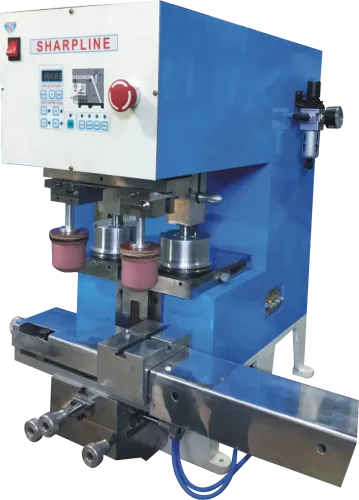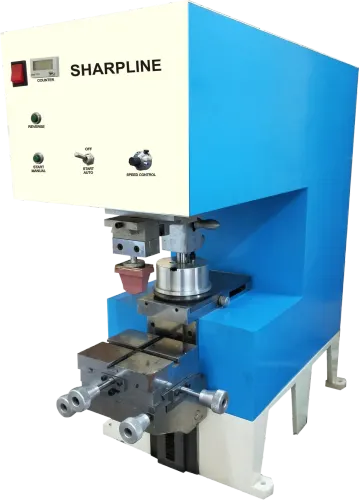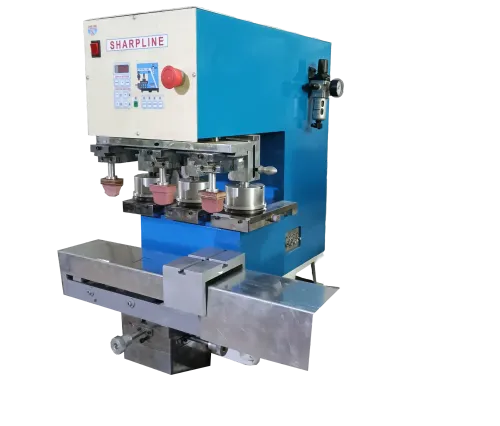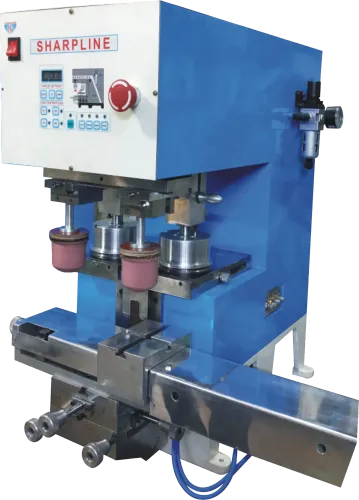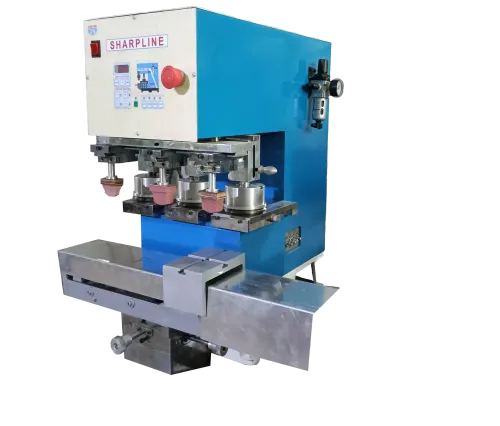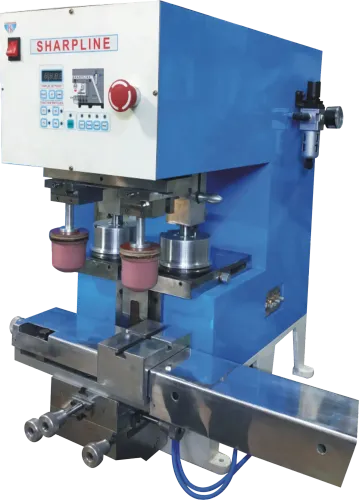
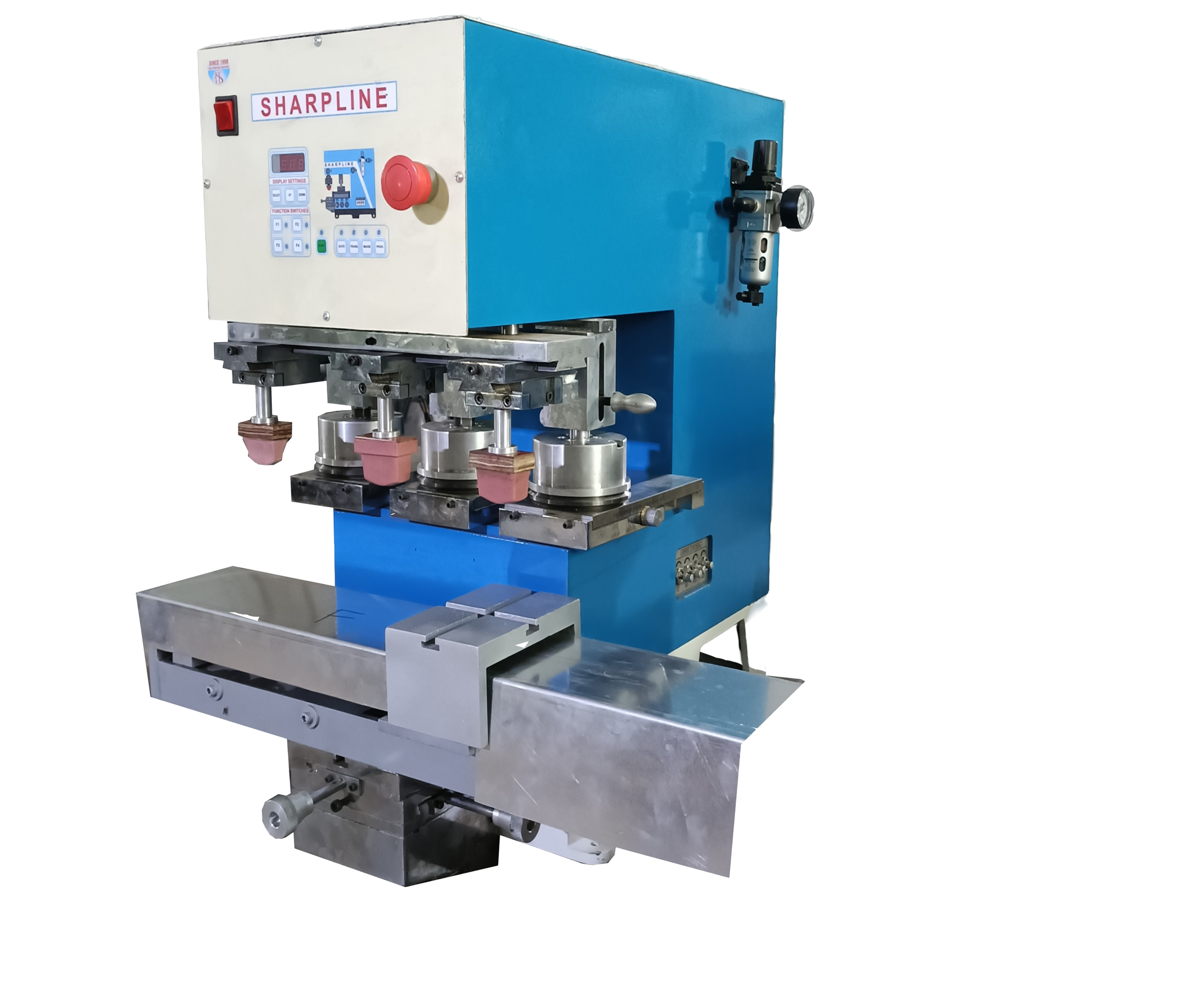
The extra color station only creates value when it removes a real production step, such as a second loading operation or a separate protective layer. By comparing artwork, part geometry, cycle workflow, registration risk, floor space, and total cost per accepted part, you can choose between three and four colors on evidence rather than station count.
Key takeaways
- Choose three colors when artwork uses three spot inks or fewer.
- Treat a fourth station as extra process time unless operations run in parallel.
- Do not confuse four-color pad printing with automatic CMYK process printing.
- Calculate break-even from hourly output, labor, tooling, ink, and machine cost.
What changes when you move from three colors to four?
A fourth station does not automatically make a machine faster. In a typical multicolor cycle, every color still needs cliché inking, pad pickup, transfer, and registration, so the extra color adds another process stage unless the machine performs operations in parallel. Measure finished parts per hour, not colors printed per cycle.
Compare four color pad printing machines versus three color systems across the costs that affect usable output:
| Dimension | Three-color system | Four-color system |
|---|---|---|
| Cycle and output | Three transfer stages; fastest for three-color artwork | Four stages; faster only when it prevents a second printing operation |
| Equipment | Three clichés and ink systems | Four clichés and ink-management stations |
| Footprint and capital | Smaller machine, tooling area, and initial investment | More space, controls, tooling, and capital cost |
| Setup and maintenance | Fewer images to register, clean, and troubleshoot | Extra setup, ink management, cleaning, and maintenance point |
| Handling | A fourth color may require another pass | One pass can reduce reloading, storage, and handling |
Four color pad printing machines earn their keep when four spot colors recur, a white base plus three image colors is required, or a separate protective layer disappears. A stable three-color product does not justify the fourth station on theoretical capacity alone; utilization falls while equipment and operating demands rise.
Registration can decide the result. Every transfer adds risk from part movement, pad deflection, tooling error, cliché position, and cumulative drift. Use a rigid, repeatable nest: flexible, tapered, textured, or poorly supported parts can defeat a precise four-color machine.
When are three colors enough for the artwork?
Three stations are enough when the finished artwork contains three independently printed layers. A three color pad printing machine can complete these jobs in one loading, without paying for an idle fourth cliché, ink cup, pad, control channel, and maintenance point.
| Artwork pattern | Three-color execution | Why a fourth station is unnecessary |
|---|---|---|
| Three spot colors | Print one cliché and ink system for each spot color | The image is complete after the third transfer |
| White base plus two image colors | Print white first, then the two visible colors | The base is one of the three required layers |
| Three-stage mark | Apply a background, detail color, and identification color | No separate fourth layer exists |
| Three colors on separate zones | Register each color to its assigned area | Extra capacity adds equipment, not image information |
Choose a three color closed ink cup machine when enclosed cups suit your ink control and solvent-management needs. It still requires separate cups, clichés, and ink preparation for all three colors, but it avoids the capital cost and upkeep of a fourth set.
A fourth station becomes unnecessary when the fourth “color” is only a shade created by screening, not a separate ink layer. It is also unnecessary when an operator can mix one approved spot color before setup instead of printing another station.
Confirm the artwork file and color proof: four named swatches do not always mean four printed colors.
Does four-color pad printing mean CMYK process printing?
No. Four color pad printing machines can print four spot colors without performing CMYK process printing. A spot color is a separately mixed ink—such as Pantone 186 C, opaque white, or black—transferred through its own cliché as a defined area of artwork.
The result is a set of solid color shapes, not a photographic image built from dots.
CMYK process printing uses cyan, magenta, yellow, and black separations. Each separation contains screened halftone dots, and the four layers combine optically to reproduce gradients, shadows, and continuous-tone images. The machine must hold tight registration and control dot transfer, ink opacity, substrate color, and curing; four ink cups alone do not create process capability.
Spot-color printing | CMYK process printing Artwork | Four solid, separately specified colors | Four screened color separations Ink | Premixed colors matched to samples | Cyan, magenta, yellow, and black Typical image | Logos, text, symbols, flat shapes | Photographs, gradients, detailed illustrations Main risk | Wrong ink sequence or color match | Dot gain, color shift, and registration error
For a reliable multi color pad printing comparison, ask the supplier to classify the artwork before comparing machines:
- Request the artwork’s separations, Pantone references, halftone screens, and required color sequence.
- Confirm whether a white base, varnish, or other layer counts as a fifth operation outside CMYK.
- Run the actual part, not a flat test plate, because curvature and surface texture can distort dots and registration.
How do workflow, registration, and part shape decide the choice?
A four-color pass outperforms repeated runs through a three color pad printing machine when the artwork requires four separate color transfers and reloading the part would add more time and defects than the extra station.
It is especially useful for a white base plus three image colors, or for four spot colors that must align on one finished part. The gain is one handling cycle, not automatically a faster machine cycle.
| Option | Workflow | Registration and shape |
|---|---|---|
| Four-color machine | Prints all four colors in one operation; avoids intermediate storage and reloading | Adds another transfer, so movement and cumulative drift increase; needs a rigid, repeatable nest |
| Three-color machine | Prints three colors per operation; a four-color design needs a second pass | Fewer transfers per pass, but reloading can introduce a new alignment error |
| Flexible or tapered part | Either machine can struggle without firm support | Pad pressure can shift or distort the part, defeating precise four-color registration |
Judge four color pad printing machines versus three color systems by accepted parts per hour, not by station count. A fourth cliché and ink station adds setup, cleaning, maintenance, footprint, and another registration point.
A three-color system can win when the fixture cannot hold the part consistently, because a fourth transfer then creates scrap instead of useful output.
- The nest locates every part against fixed reference surfaces.
- The artwork needs four distinct transfers in one finished mark.
- A second loading operation would disrupt alignment or consume substantial labor.
- The part’s rigid surface tolerates repeated pad contact without flexing.
How do you calculate the break-even point before buying?
A four-color purchase breaks even when its cumulative savings exceed the extra cost of ownership, not when the fourth station merely increases the machine’s color count. Calculate savings per accepted part, then divide the added investment by that figure.
- Record 12 months of production: accepted parts, four-color jobs, runs per month, cycle time, changeover minutes, and the percentage rejected for registration or handling damage.
- Price both routes per accepted part. Include machine payment, four clichés instead of three, pads, ink cups, ink, solvent, curing, maintenance, cleaning labor, setup labor, and scrap. Use accepted parts as the denominator, not printed parts.
- Add the avoided cost of a second operation: operator hours, part movement, intermediate storage, extra fixture loading, and reinspection. Subtract the four-color machine’s added electricity, service, floor space, and setup time.
- Check the fixture separately. Price a repeatable nest that prevents movement during every pad contact; a flexible or tapered part can erase the registration savings.
- Calculate: break-even parts = added equipment and tooling cost ÷ savings per accepted part. Also calculate months to break even using your monthly volume.
Ask SHARPLINE ENGINEERS to itemize the three-color baseline and any four-color quotation by these cost headings, including footprint and service access. Compare that result with a three color closed ink cup machine; a stable three-color product often leaves the fourth station underused, while frequent four-color work or an eliminated post-print operation improves utilization.
Frequently asked questions
What changes when you move from three colors to four?
A fourth color adds another cliché, ink pickup, transfer, and registration step unless the machine performs operations in parallel. Compare finished parts per hour, not colors per cycle.
When are three colors enough for the artwork?
A three-color system is enough when the design uses three spot colors or fewer and does not require a fourth highlight, opaque base, or separate varnish.
Does four-color pad printing mean CMYK process printing?
No. Four stations can print four spot colors. CMYK process printing requires screened cyan, magenta, yellow, and black artwork, calibrated inks, precise registration, and controlled dot reproduction.
How do workflow, registration, and part shape decide the choice?
Choose based on the number of handling and registration steps, the tolerance between colors, and whether the part allows stable pad access without distortion or obstruction.
How do you calculate the break-even point before buying?
Compare the added machine cost with savings from higher output, lower handling, fewer setups, and reduced rejects. Divide the investment by monthly savings to estimate break-even months.
Keywords