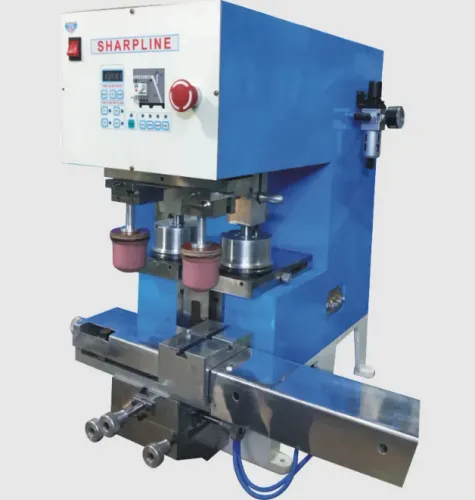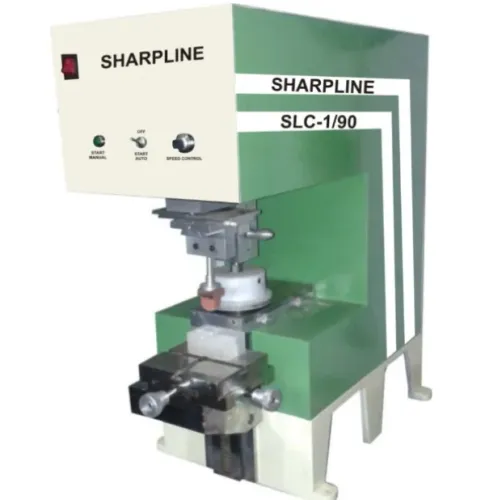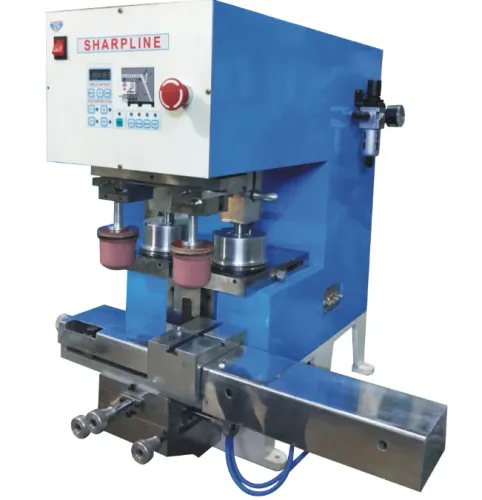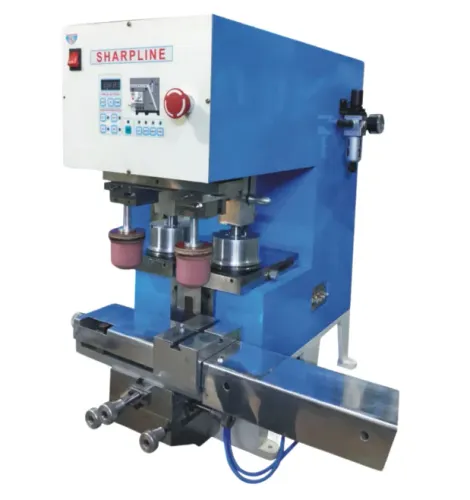
Many industrial printing applications require only one colour. A manufacturer's logo, part number, warning symbol, measurement mark, operating icon, or identification code may need to be applied consistently without the complexity of a multicolour printing process.
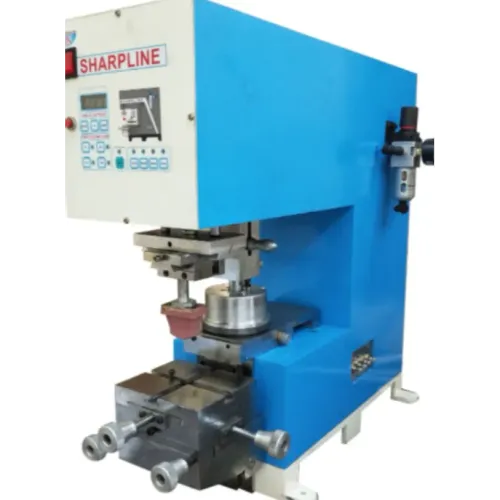
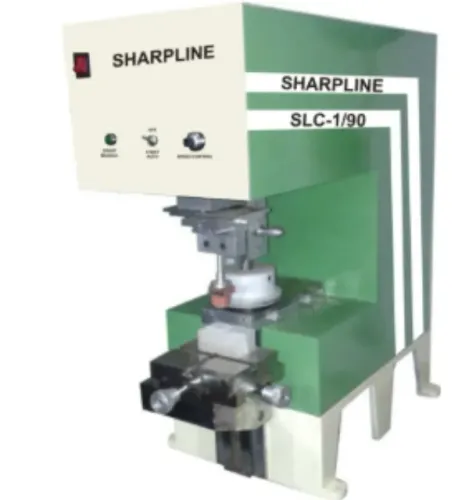
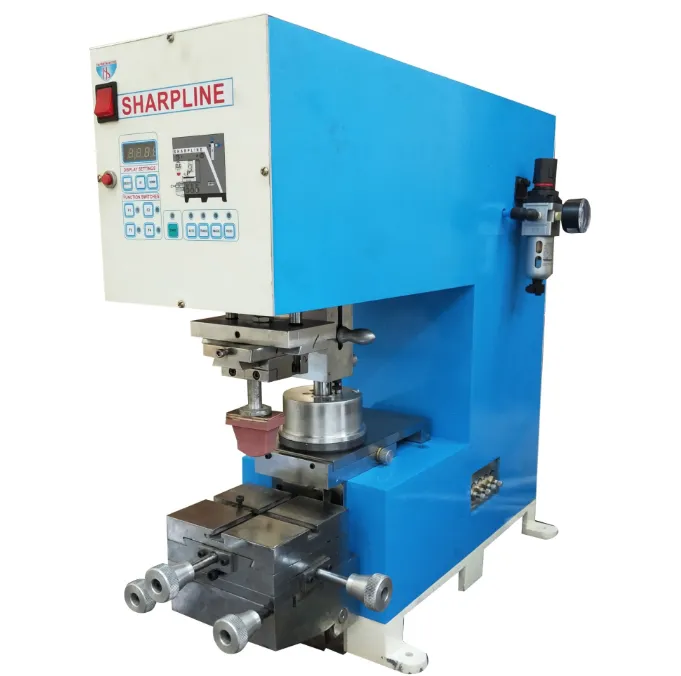
For these applications, Single Color Pad Printing Machines can provide a practical solution when they are correctly matched to the component and production requirement.
When Single-Colour Printing Is Enough
The first question is whether the finished product genuinely needs multiple colours.
Single-colour equipment may be appropriate for:
- Product identification
- Part numbers
- Electrical symbols
- Control markings
- Simple logos
- Measurement indicators
- Manufacturing codes
- Basic decorative graphics
If the artwork consists of one colour and the component does not require multiple printing stations, choosing a simpler configuration can make setup and operation more straightforward.
Simplicity Can Support Faster Changeovers
Manufacturers handling different products throughout the week often need to change clichés, pads, fixtures, inks, and machine settings.
A relatively simple machine arrangement may reduce the number of variables involved during these changeovers.
However, actual setup time depends on machine design, operator experience, fixture construction, and the difference between individual jobs.
Businesses should therefore ask suppliers to demonstrate typical changeover procedures rather than relying only on specification sheets.
Print Area Still Matters
A machine being single colour does not mean it is suitable for every single-colour artwork.
The required image dimensions need to match the cliché, pad, ink system, and available machine stroke.
Large logos may require a different configuration from small identification symbols. Deeply curved components can also affect pad selection and image distortion.
Providing actual artwork dimensions before machine selection helps prevent sizing problems later.
Component Geometry Must Be Evaluated
Pad printing is particularly useful because the flexible silicone pad can adapt to many non-flat surfaces.
Even so, every component should be evaluated individually.
A tall component may require additional clearance. A recessed printing area can affect pad access. A delicate component may need a specially designed fixture. Cylindrical products may require different handling from flat moulded parts.
These factors influence machine suitability even when the artwork itself is simple.
Compare Output Requirements
A small business printing short batches may prioritise ease of operation and flexible setup.
An industrial manufacturer producing thousands of identical components may place greater emphasis on cycle consistency, fixture design, component handling, and integration with existing production.
For buyers in New Delhi and nearby Delhi NCR manufacturing areas, discussing actual daily or monthly production quantities with the machine provider can help avoid both under-sizing and unnecessary over-specification.
Do Not Ignore Consumables
Reliable printing also requires suitable clichés, pads, inks, thinners, and other accessories.
Buyers should understand which consumables are required, their expected replacement intervals, and how readily they can be sourced.
SHARPLINE ENGINEERS manufactures pad printing equipment for industrial printing applications, including single-colour requirements. The company can assess components and printing parameters when a manufacturer is deciding on a suitable configuration.
A single-colour machine should not be viewed simply as an entry-level option. For the right application, it may be precisely the equipment needed. The important factors are print dimensions, component geometry, substrate, required durability, production volume, operating method, and future job requirements. Matching those factors carefully can produce a simpler and more manageable printing process without investing in colour capacity that production does not actually require.
Keywords