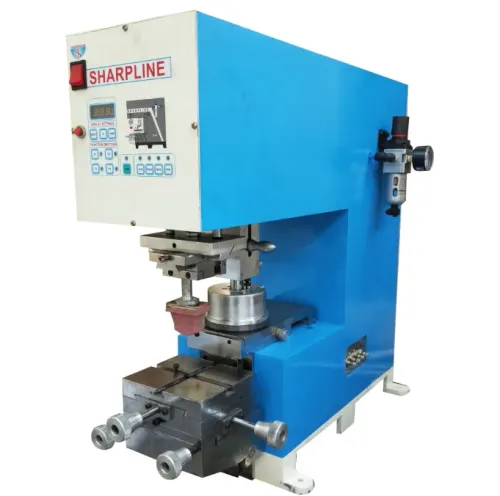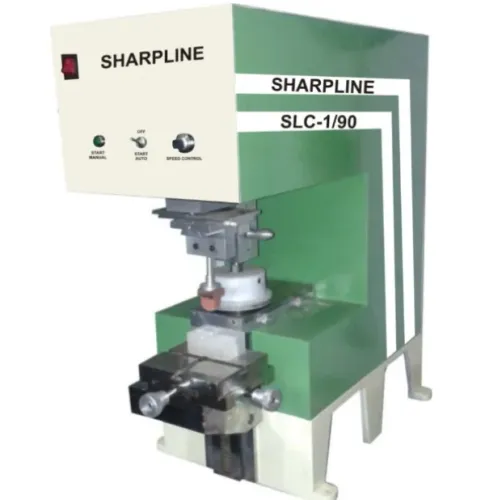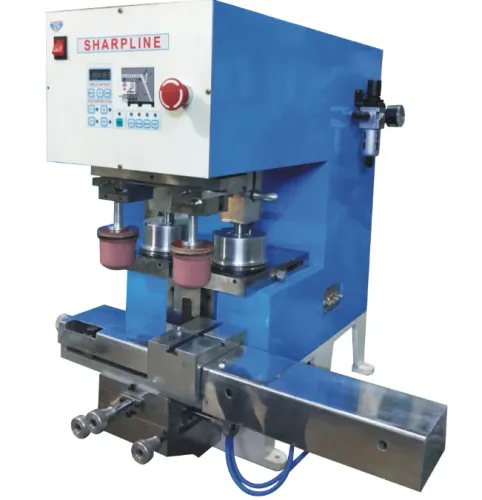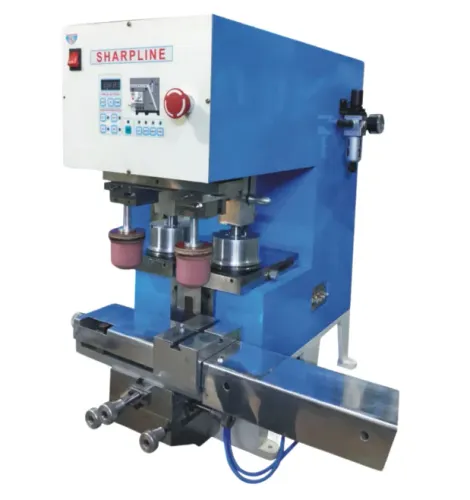
Two-colour artwork appears across automotive controls, electrical products, consumer goods, promotional items, appliances, and moulded plastic components. Producing these graphics consistently requires more than applying one colour after another. Positioning between the two images must remain controlled throughout the production run.
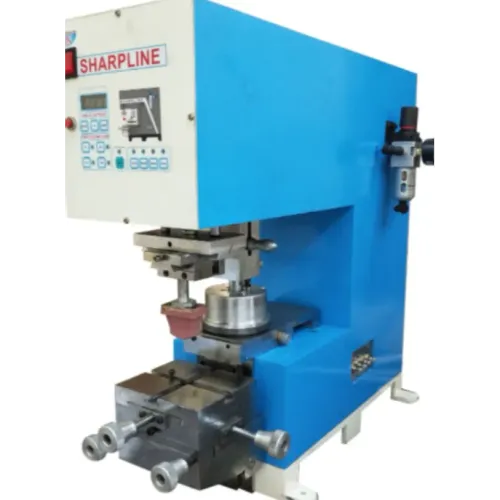
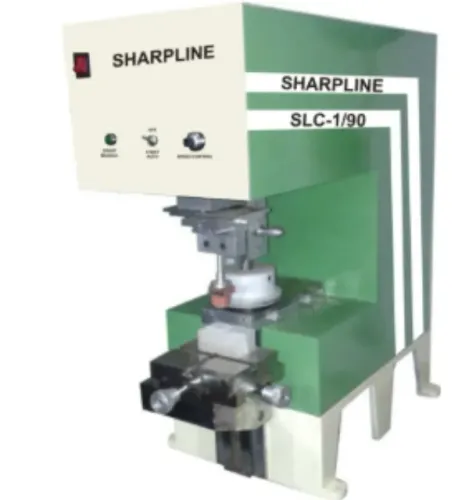
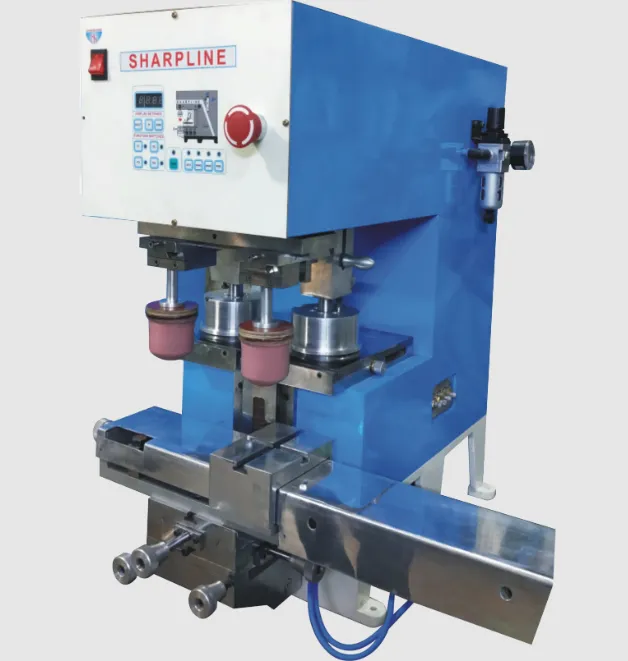
Double Color Pad Printing Machines are designed for applications where two colours or two separate print elements need to be transferred efficiently within the printing process.
When a Double-Colour Machine Makes Sense
A two-colour configuration can be considered when products regularly require:
- Two-colour logos
- Symbols with contrasting elements
- Decorative graphics
- Brand marks
- Multiple functional markings
- Separate images printed in defined positions
It may also provide production flexibility for businesses that handle both one-colour and two-colour jobs, depending on machine configuration.
The decision should be based on the actual job mix rather than the assumption that more printing stations automatically provide better value.
Registration Is a Critical Requirement
Two colours must align according to the artwork specification.
Even small positional errors can become visible where one colour forms an outline around another or where graphic elements sit closely together.
Accurate registration depends on several factors, including fixture repeatability, cliché preparation, component stability, machine movement, and pad characteristics.
Before purchasing equipment, manufacturers with demanding artwork should conduct printing trials using actual components wherever practical.
Fixture Quality Can Determine Results
The component must return to the same printing position during every cycle.
If it moves inside the fixture, colour registration can vary even when the machine itself is operating consistently.
A well-designed fixture should locate the component using reliable reference points. It should also allow practical loading and unloading without excessive operator effort.
This becomes particularly important in longer production runs.
Consider Production Speed Realistically
A machine's advertised cycle capability should not be treated as guaranteed production output.
Actual productivity is influenced by:
- Component handling
- Number of printing steps
- Ink behaviour
- Operator loading speed
- Drying requirements
- Quality inspection
- Job changeovers
Buyers should estimate acceptable finished components per shift rather than comparing machines only by theoretical cycles per minute.
Evaluate Job Variety
A dedicated manufacturer producing one product continuously has different needs from a contract printing company processing many component types.
Where frequent changes are expected, cliché replacement, pad adjustment, fixture changes, cleaning, and ink changes should be considered during machine evaluation.
Ease of setup can sometimes be as important as maximum cycle speed.
Ask for Application-Specific Evaluation
Manufacturers in New Delhi and the wider Delhi NCR region should ideally provide the machine supplier with physical samples, substrate details, artwork, colour requirements, and expected production quantities.
This allows equipment recommendations to be based on the actual printing job.
SHARPLINE ENGINEERS supplies pad printing machinery for manufacturers requiring different colour configurations and production capacities. Technical evaluation can also help identify appropriate supporting accessories for a specific component.
A double-colour machine can be a useful middle ground for manufacturers whose products regularly need two-colour printing without requiring a more complex multicolour configuration. The strongest purchasing decision comes from testing registration requirements, evaluating fixtures, understanding realistic output, and considering the variety of jobs the machine will handle. These practical factors determine whether the equipment will remain productive after it moves from demonstration conditions into everyday manufacturing.
Keywords