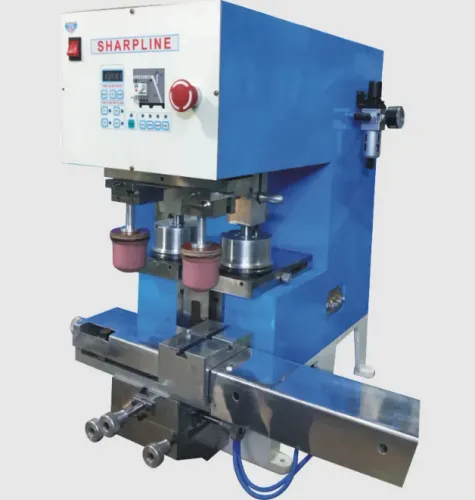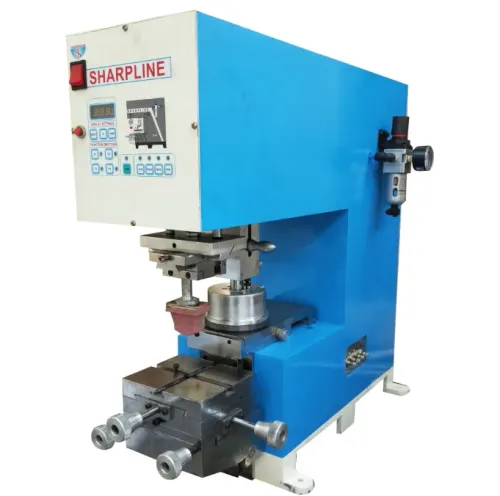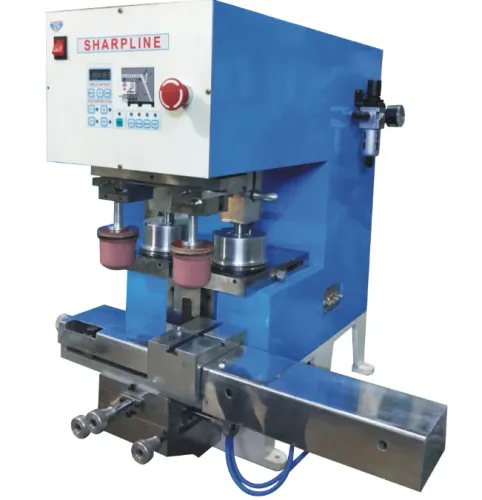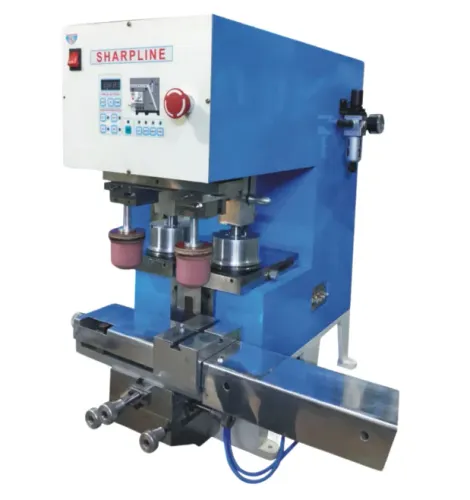
As production volumes increase, a printing process that worked effectively for smaller batches may begin to create delays. Repetitive component loading, printing, positioning, and unloading can consume significant operator time and limit throughput.
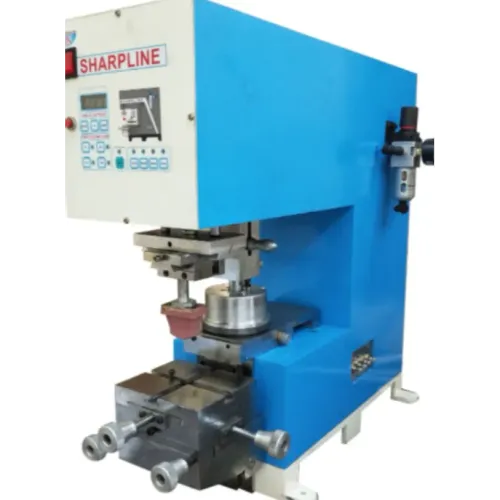
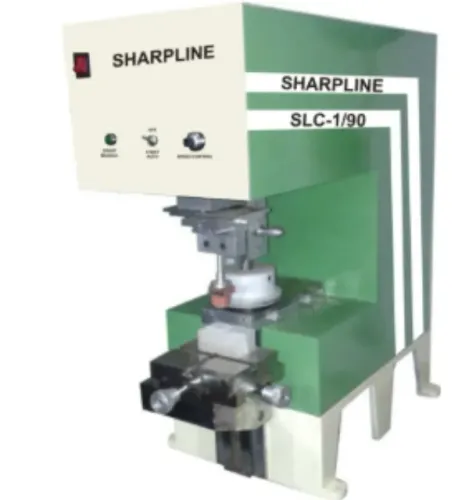
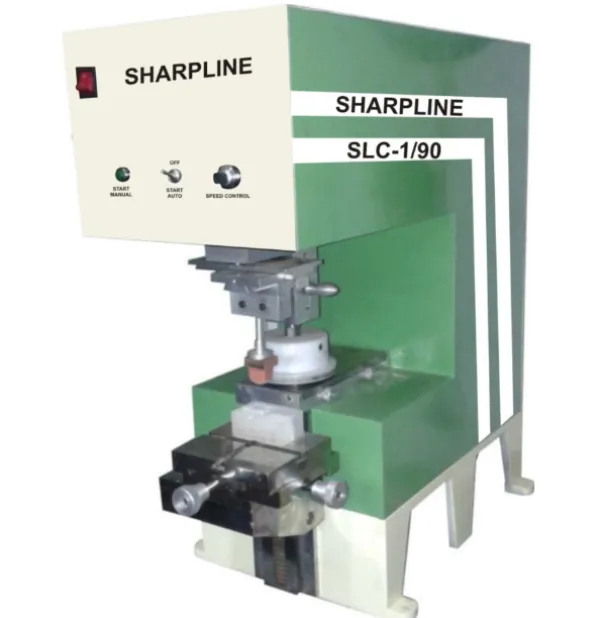
An Automatic Pad Printing Machine may help manufacturers address these challenges, but automation should be selected according to measurable production needs rather than simply because it appears more advanced.
Identify the Existing Bottleneck First
Before investing in automation, production managers should determine what currently limits output.
The problem may be machine cycle speed, but it could also be:
- Slow component loading
- Manual repositioning
- Multiple printing operations
- Long ink drying time
- Frequent artwork changes
- Fixture alignment
- Component unloading
- Inspection requirements
Automating the printing stroke alone will not necessarily solve a bottleneck elsewhere in the process.
Calculate Real Production Demand
Manufacturers should estimate the number of acceptable printed components required per hour or shift.
The calculation should include actual working conditions rather than theoretical machine speed. Allow time for setup, cleaning, changeovers, inspection, material replenishment, and normal production interruptions.
This creates a more realistic basis for comparing equipment.
Determine the Required Level of Automation
Automation does not have to mean a completely operator-free production line.
Depending on the application, equipment may incorporate automated component movement, indexed fixtures, conveyors, feeders, programmable sequences, or other handling arrangements.
The appropriate level depends on component geometry, production quantity, product variety, and budget.
High-volume production of one standard component may justify greater automation. A business handling many short runs could place more value on quick setup and flexible changeovers.
Check Fixture Repeatability
Automation magnifies the importance of good fixture design.
If a component is not positioned consistently, faster machine operation simply produces defects more quickly. Fixtures should locate the part securely without damaging it and should allow efficient loading where manual handling remains necessary.
For multicolour jobs, positioning accuracy becomes even more important because registration errors may be immediately visible.
Evaluate the Entire Printing Process
Machine speed is only one part of productivity.
Buyers should assess:
- Ink and substrate compatibility
- Pad life
- Cliché life
- Component handling
- Drying or curing
- Inspection
- Changeover time
- Preventive maintenance
- Operator training
The objective is stable output of acceptable components, not simply a high number of machine cycles.
Consider Return on Investment
An automatic system can potentially reduce repetitive manual operations and increase output, but the business case should be calculated.
Compare expected production gains with machine investment, tooling, accessories, maintenance, consumables, labour requirements, and anticipated utilisation.
Manufacturers in New Delhi and the broader Delhi NCR industrial region may also benefit from considering accessibility of technical support and replacement components when evaluating long-term operating costs.
SHARPLINE ENGINEERS develops pad printing machinery for industrial users with different production requirements. An application review using actual components, print specifications, and output targets can help determine an appropriate level of automation.
Automation is most valuable when it removes a clearly identified production constraint. A manufacturer that defines cycle targets, handling requirements, product variation, print quality standards, and changeover expectations before purchasing is better positioned to choose equipment that improves overall production efficiency rather than merely adding machine complexity.
Keywords