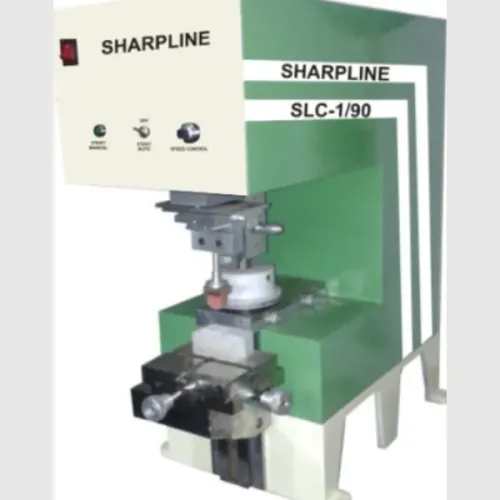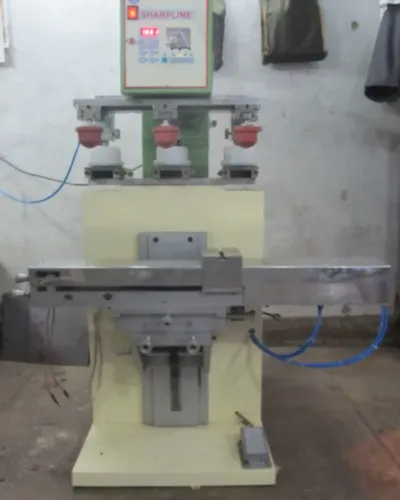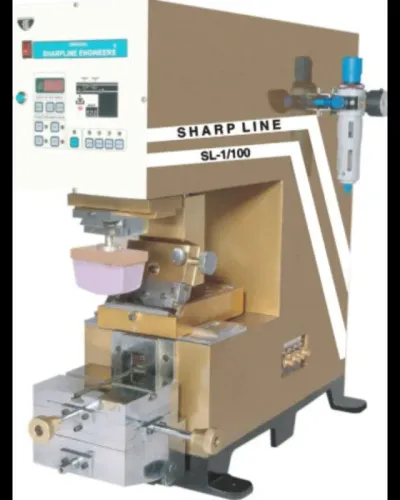

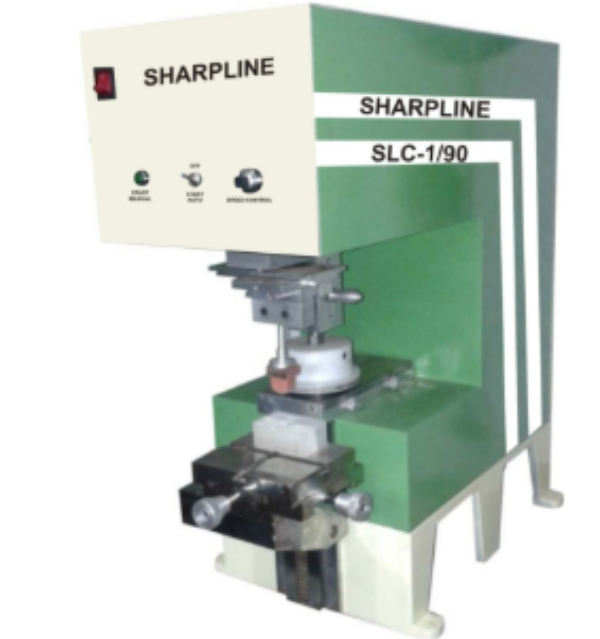
Pad printing is widely used when manufacturers need to print logos, symbols, numbers, instructions, or decorative graphics on products that are difficult to print using conventional flat-surface methods. Components may be curved, recessed, cylindrical, textured, or unusually shaped, making equipment selection especially important.
Before approaching a Pad Printing Machine Supplier, manufacturers should understand their application requirements clearly. The right machine is not simply the one with the highest printing speed. It should match the component, substrate, artwork, production volume, ink system, and quality expectations of the manufacturing process.
Start With the Component You Need to Print
The physical characteristics of the component influence machine configuration. A supplier will typically need information about:
- Component dimensions
- Printing area
- Surface shape
- Substrate material
- Number of colours
- Required print position
- Production quantity
- Expected cycle time
Printing a small identification mark on an electronic component is different from applying a multicolour graphic to a promotional product. Providing actual samples or detailed drawings can make technical discussions more productive.
Understand Substrate Compatibility
Pad printing is used on plastics, metals, glass, ceramics, rubber, coated surfaces, and many other materials. However, ink adhesion can vary significantly between substrates.
Manufacturers should identify the exact material grade rather than simply describing a component as plastic or metal. Different plastics can have different surface-energy characteristics, while coated metal may behave differently from untreated metal.
Testing the substrate can help determine suitable ink, surface preparation, curing, and printing parameters.
Evaluate the Complete Printing System
A pad printing machine works as part of a system. The final result depends on several elements working together, including the printing pad, cliché or printing plate, ink, fixture, ink cup or ink tray, and machine settings.
A capable supplier should therefore be able to discuss more than machine specifications.
For example, the pad must have appropriate hardness, shape, and size to transfer the image accurately. The fixture must hold the component consistently. The cliché needs to reproduce the artwork correctly.
Ignoring these supporting elements can lead to print defects even when the machine itself performs correctly.
Consider Production Volume
Production volume influences whether a basic, pneumatic, semi-automatic, or more automated configuration is appropriate.
A business printing occasional batches may have different requirements from an automotive component manufacturer running repetitive shifts.
Manufacturers should consider current demand as well as reasonable future requirements. Buying excessive capacity can unnecessarily increase investment, while choosing a machine with insufficient production capability can create bottlenecks later.
Ask About Trials and Application Testing
Whenever possible, printing trials should be performed using the actual component.
Trials can reveal practical issues such as:
- Ink adhesion
- Image distortion
- Pad access
- Fixture stability
- Drying requirements
- Registration accuracy
- Cycle consistency
This is particularly useful for technically demanding components or applications involving unusual materials.
Look Beyond the Initial Machine Purchase
Industrial printing equipment requires operating knowledge and ongoing maintenance. Buyers should understand the availability of consumables, accessories, replacement components, technical guidance, and servicing.
For manufacturers in New Delhi and industrial areas across the Delhi NCR region, access to practical support can reduce delays when production requirements change.
SHARPLINE ENGINEERS works in the pad printing equipment segment and serves industrial users requiring machines and related printing solutions. When evaluating any supplier, however, buyers should base the decision on demonstrated application suitability rather than brand claims alone.
A well-selected pad printing system should deliver repeatable print quality while fitting realistically into the production environment. Starting with the component, material, artwork, output requirement, and operating conditions gives manufacturers a much stronger basis for selecting the right equipment.